People ask us this more than any other question, and the honest answer is that Everest Base Camp has two good seasons that give you two quite different walks.
Autumn: October and November
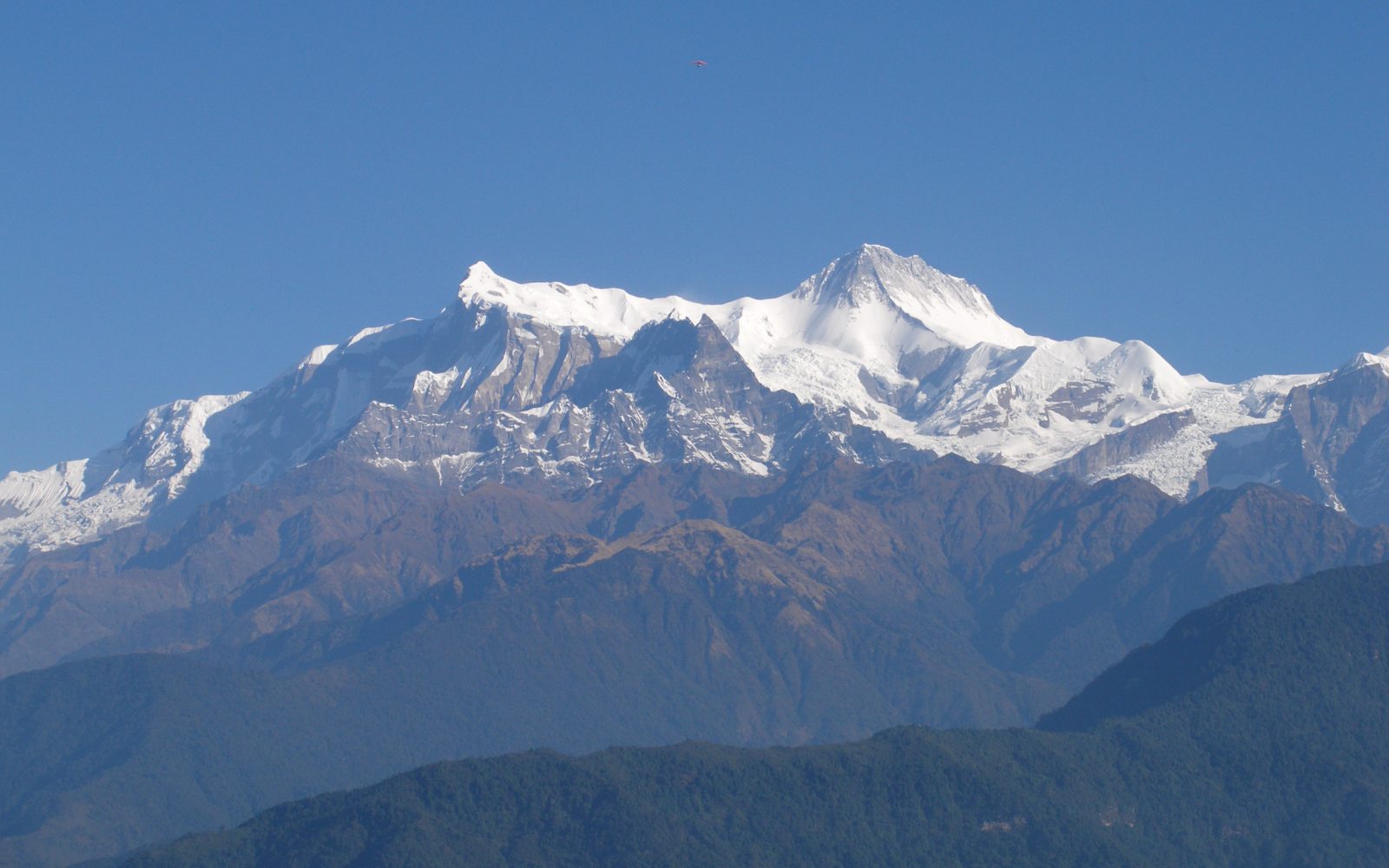
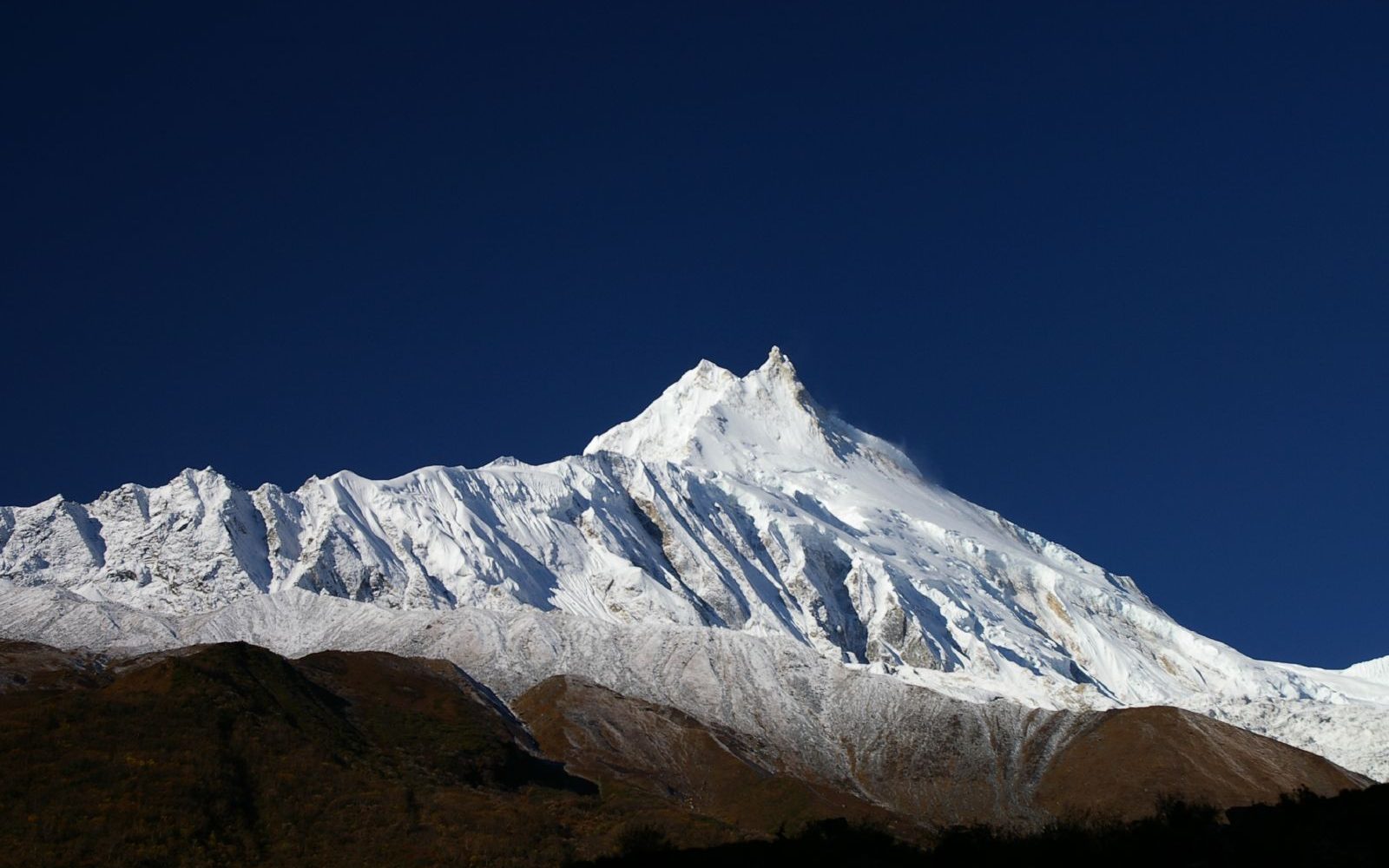
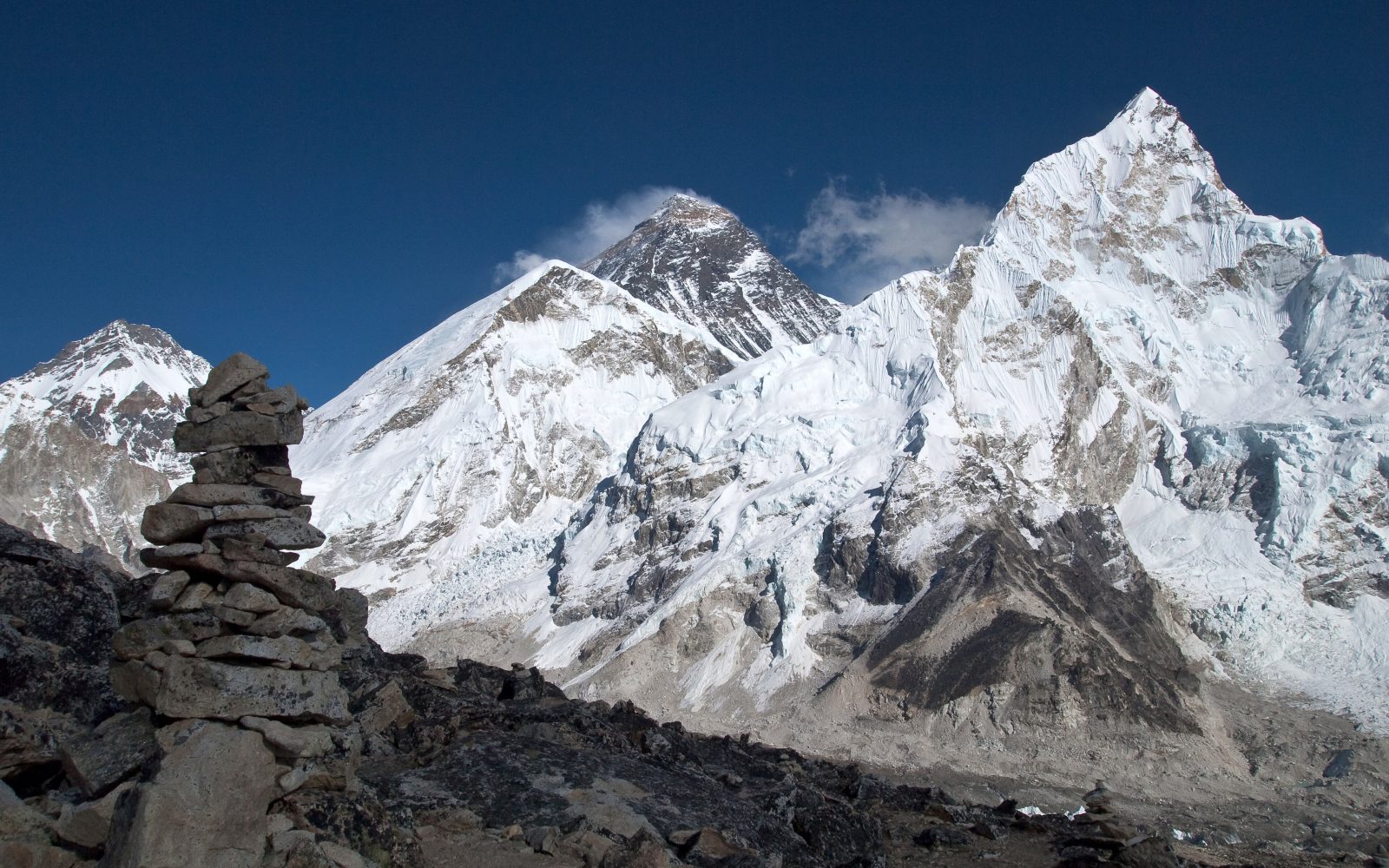
This is the season most people mean when they say "trekking season". The monsoon has washed the haze out of the air, the skies are reliably clear, and the mountain views from Tengboche and Kala Patthar are as good as they get all year. Days are mild, nights are cold, and the trail is busy.
Busy matters more than people expect. In late October the lodges at Dingboche and Lobuche fill early in the afternoon, and a party of four without a booking can end up split between two lodges. We book ahead for exactly this reason.
Spring: March to May
Spring is warmer, greener and quieter on the lower trail. Rhododendron is in flower below Namche through late March and April, which is genuinely worth seeing. Higher up, the views are hazier than autumn — the air holds more moisture — and afternoon cloud is common from about 1pm.
Spring's advantage is Base Camp itself. The expedition teams are in residence from April, so the camp is a small city of tents rather than an empty moraine, and that is a different experience to arrive at.
The two seasons to avoid
- Monsoon (June to mid-September). The trail is walkable but you will see very little, leeches are a real nuisance below Namche, and Lukla flights cancel for days at a time.
- Deep winter (late December to February). Clear and beautiful, but nights at Gorak Shep drop to around -20°C and many high lodges close. It is a serious undertaking rather than a holiday.
A note on Lukla flights
Whichever season you pick, build slack into your plan. Lukla flights are weather-dependent and cancellations are normal, not exceptional. We leave two spare days at the end of every EBC itinerary, and in peak season we route some departures via a Manthali drive to reduce the risk.