Nepal's permit system is not complicated, but it has changed more than once in recent years and a lot of the advice online is out of date.
The two things almost every trek needs
A TIMS card, which registers you with the Trekking Agencies' Association, and an entry permit for whichever conservation area or national park your route crosses. Annapurna, Sagarmatha, Langtang and Manaslu each have their own.
Restricted areas are different
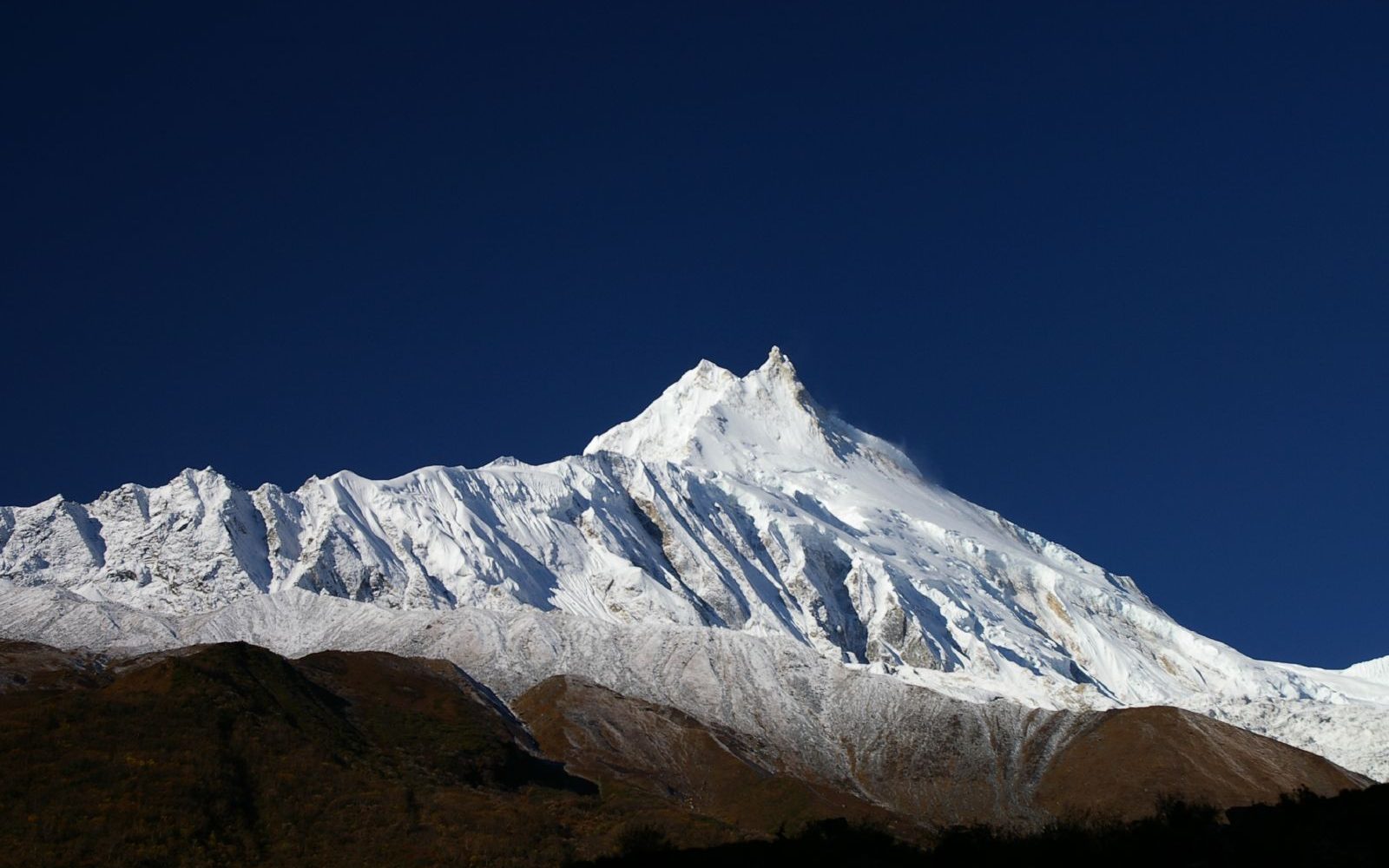
Upper Mustang, Upper Dolpo, Manaslu and Tsum Valley are restricted. These require a special permit issued only through a registered agency, a minimum party size, and a licensed guide. The fees are substantially higher and they are charged per day.
These permits cannot be bought by an individual walking into an office. That is not an agency upsell; it is how the regulation is written.
What changed
Solo trekking without a guide was restricted across much of the country, and enforcement at checkpoints has tightened. If you have read a blog post from a few years ago describing a solo unguided walk on a route we now staff with a guide, that advice no longer applies.
What we do with this
Every permit your itinerary needs is arranged before you arrive and carried by your guide. The costs appear as named lines on your quote rather than being folded into a single figure — you should be able to see what is a government fee and what is our fee.